Join OpenEarth Academy
Learn how to code for the environment, create an impact on conservation initiatives near you, and achieve climate joy.
Join OpenEarth Academy
Code for the environment.
Create an impact on conservation initiatives near you.
Achieve climate joy. Next cohort starts August 4th.
Explore Effective Strategies and Take Action
Align with Sustainability
Measure Your Climate Impact
Learn how your support for conservation efforts to enhance carbon sequestration and clean water restoration creates measurable impact.
Engage Your Green Team
Are you part of a Green Team? Shape the future through volunteering opportunities where members use their skills to make a difference.
Connect with the Outdoors
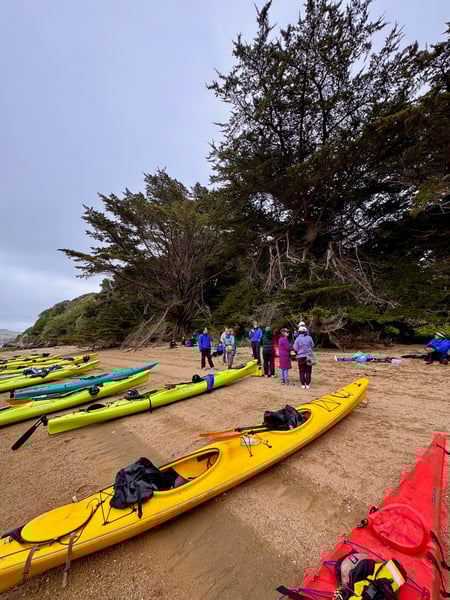
Experience the joy of conservation by paddling, foraging, and more at events hosted by our 120+ local, Indigenous environmental partners.
Accelerate Reforestation
Get hands-on by contributing to open source GIS tools that monitor water and soil data to accelerate ecosystem restoration in forests, rivers, and lakes.
Build for the Environment
Deep Dive into Climate Tech
OpenEarth Academy is developed by tech workers who care deeply about sustainability and using technical skills to empower the work of researchers, scientists, and local communities who are at the frontlines of conservation in the United States, India, Colombia, Indonesia, and Brasil.
How do regenerative nature practices connect to business cases?
Business goals can be met through sustainable strategies. Our academy presents case studies where collaborating with local communities to implement regenerative practices leads to generating impact, value, and positive change.
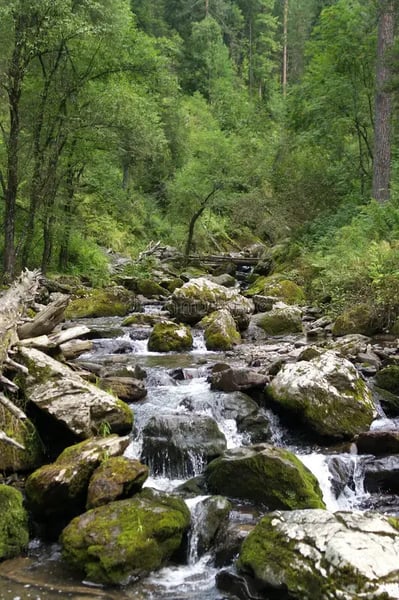
Why is reforestation the key to water restoration and carbon sequestration goals?
How do you use your skills to help conserve 15 million acres of land and more? Learn how technical and environmental skills can be used to create tech tools for conservation efforts and apply them to open source projects.
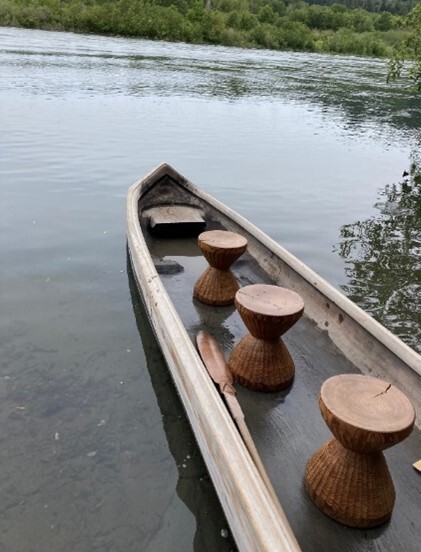
What can we learn from Indigenous-led ecosystem management?
Indigenous communities have centuries of traditional knowledge on stewarding the environment. Our academy shares how our Indigenous environmental partners have managed climate resilience in the last century and how it's changing in the age of AI.
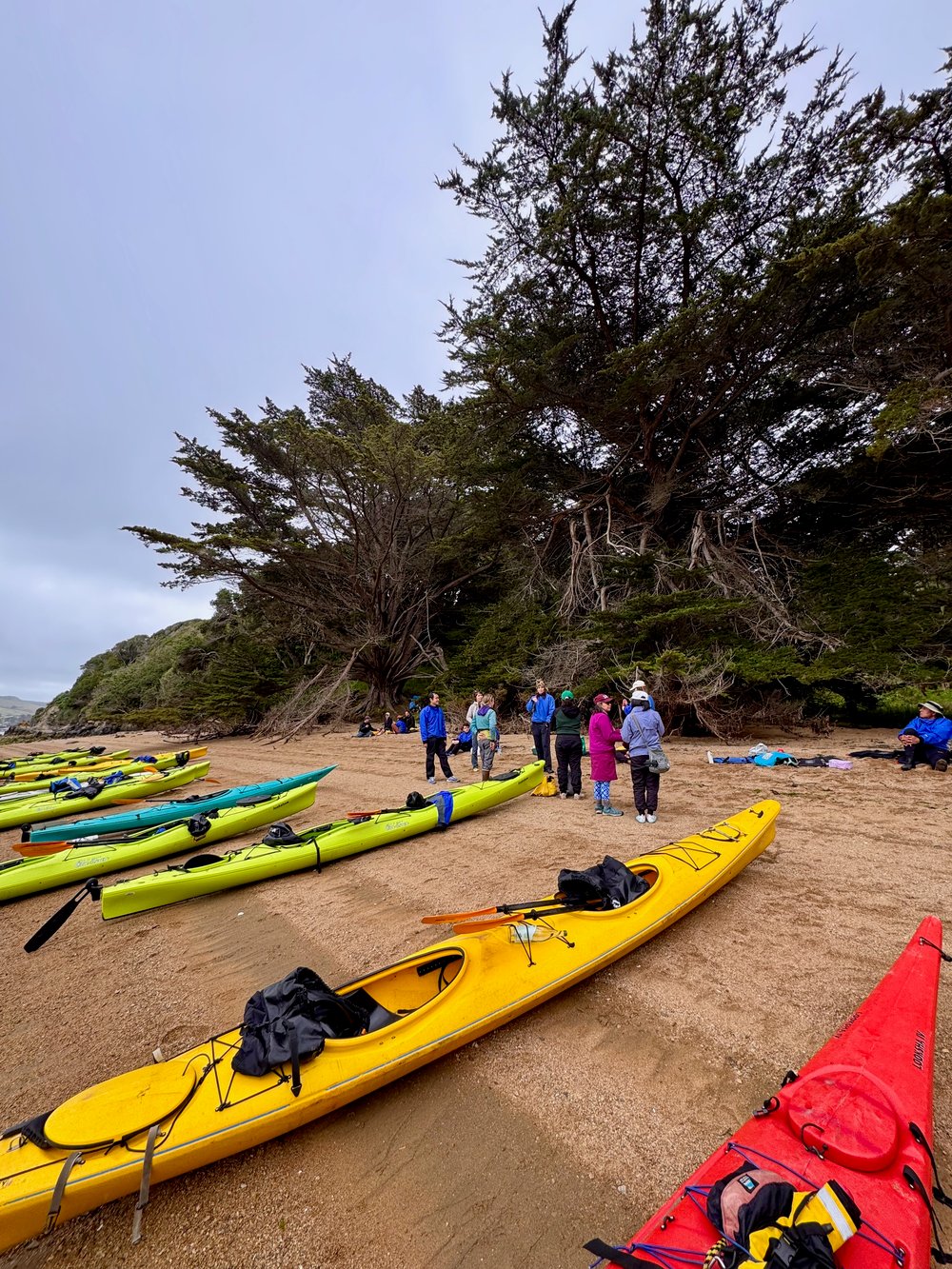
Join OpenEarth Academy

🌱 Gain new knowledge and skills through our self-guided curriculum that covers in-depth climate tech topics.
👥 Get access to remote mentor opportunities with climate technologists across 14 countries.
🥾 Receive invites to local nature event opportunities like group hikes, paddles, and restoration activities led by Indigenous communities.
🛰️ Your support for OpenEarth Academy makes the development and implementation of climate technology accessible for 120+ Indigenous environmental groups.
❤️ Make an impact with our growing community of environmental partners, industry collaborations, and passionate volunteers.
What are the benefits?
🌱 Gain new knowledge and skills through our self-guided curriculum that covers in-depth climate tech topics.
👥 Get access to remote mentor opportunities with climate technologists across 14 countries.
🥾 Receive invites to local nature event opportunities like group hikes, paddles, and restoration activities led by Indigenous communities.
🛰️ Your support for OpenEarth Academy makes the development and implementation of climate technology accessible for 120+ Indigenous environmental groups.
❤️ Make an impact with our growing community of environmental partners, industry collaborations, and passionate volunteers.
OpenEarth Academy Supports Climate Tech Development
Mapping data to help manage water flow through natural cycles
Data visualization tools offer powerful insights into shifting water tables by enabling early detection of drought or flood risks in vulnerable regions. Through collaborations with scientific researchers in the U.S. and the Amazon, we are developing a GIS platform that layers diverse environmental datasets (including official metrics from USGS and Brasil's Agência Nacional de Águas) into a unified spatial map and generates environmental analysis that can be used by our environmental partners.
Using smart sensors to monitor progress towards successful reforestation
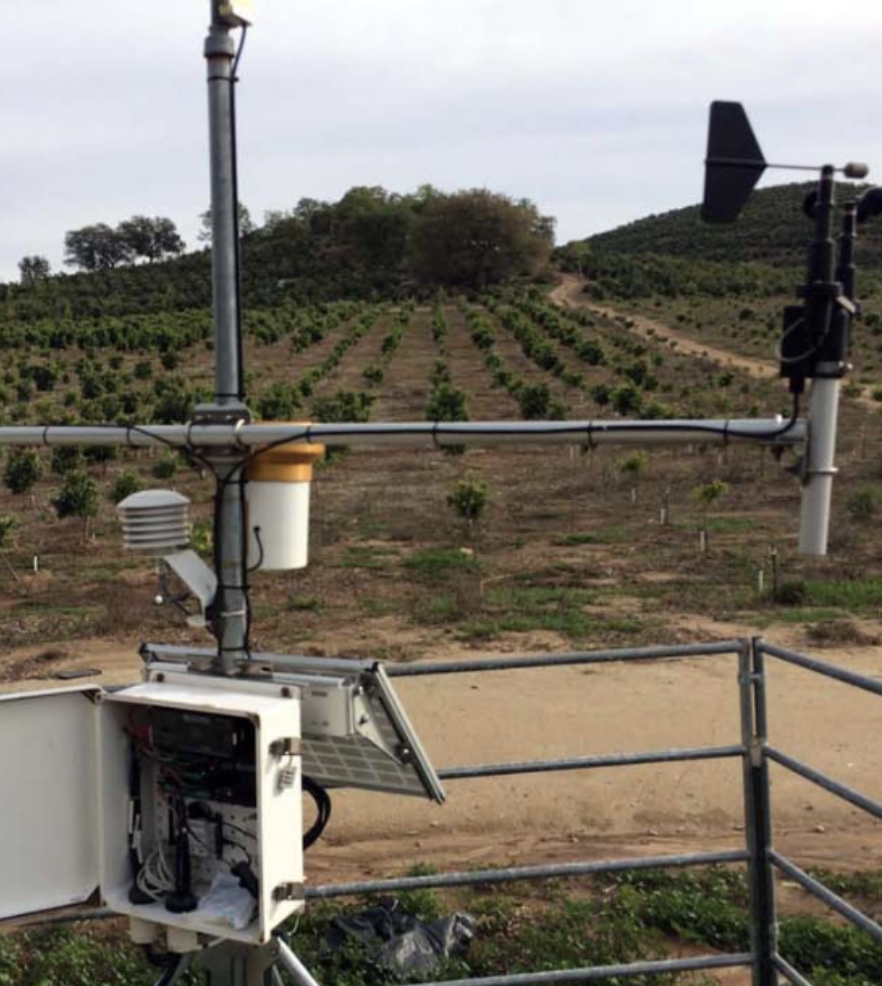
Smart environmental monitoring uses sensors and AI-powered analysis to track soil moisture, air temperature, and weather patterns, which are key factors in successful reforestation.
Smart hardware devices collect real-time data on microclimate conditions. In the Southwest, these devices monitor arid soils and time planting around rare rainfall events. In Virginia, it tracks soil saturation and runoff for floodplain reforestation. By combining this data with open-source historical geospatial data, land manager are able to see a clear, continuous picture of site conditions and accurately monitor reforestation efforts.
Training LLMs with Indigenous knowledge to create sustainable ecosystems
Environmental intelligence can increase in accuracy and quality by including information about longtime, traditional Indigenous practices. The outcome? Smarter models that can predict drought stress, monitor biodiversity, and assist in sustainable land management.